As we enter the ninth year since the adoption of the UN Sustainable Development Goals (SDGs) in 2015, the pressing need to meet these ambitious objectives becomes ever more evident.
The authors analyse global patterns of green water fluxes (key for sustaining crops) and blue water fluxes (water that sustains aquatic ecosystems). They show that green fluxes are beginning to dominate, elevating blue water vulnerability.
Elsevier, Trends in Ecology and Evolution, Volume 38, September 2023
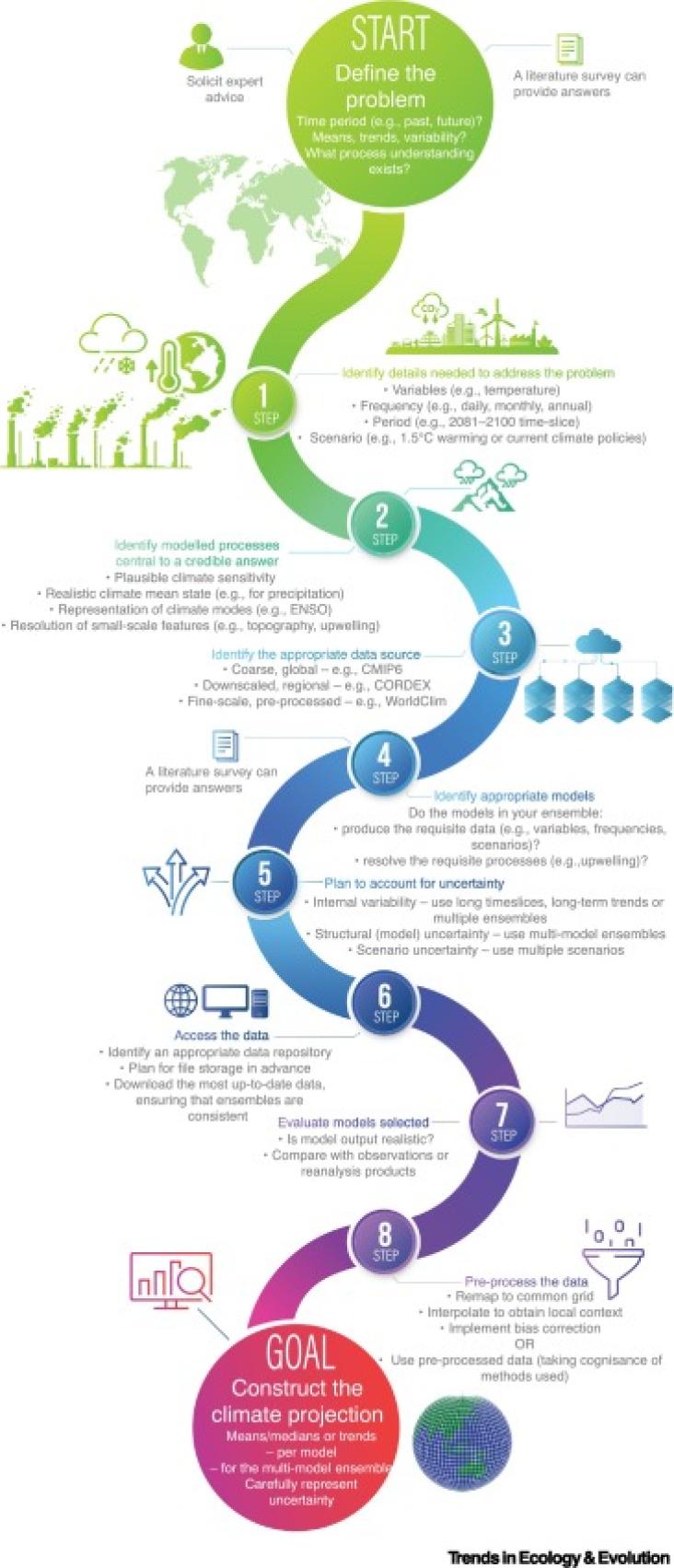
To plan for an uncertain future, life scientists are often required to use the output from climate models to develop recommendations for policy. The authors explain best practice for use of these models, this research supports SDG 2, 13, 14 and 15.
Humpback whales (Megaptera novaeangliae) in Southeast Alaska have been studied for over 50 years, and are largely considered a recovery success since the cessation of commercial whaling. To further sustain this success we need to improve our knowledge of how these giants reproduce. The authors developed an effective strategy for monitoring the hormone levels in a challenging natural environment.
Elsevier, Trends in Ecology and Evolution, Volume 38, August 2023
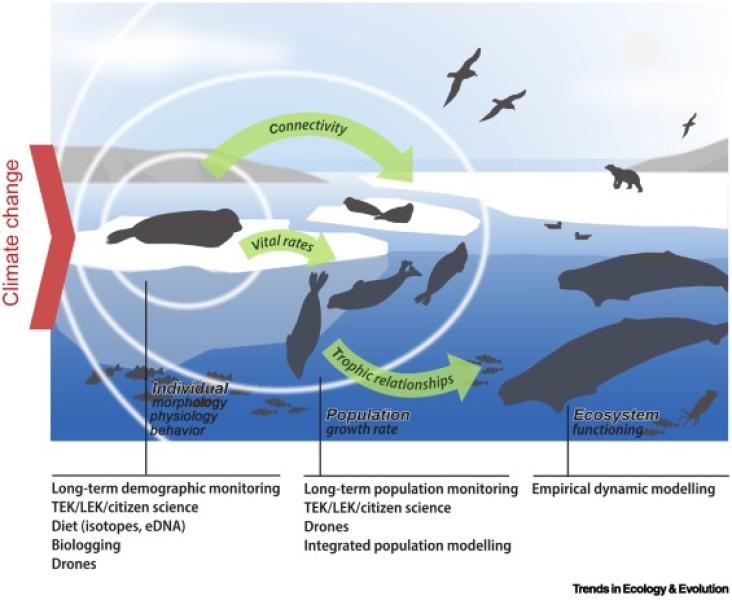
This work highlights what we know about climate change impacts that have happened and discuss future directions for research. It supports SDG 13 and 14.
Elsevier, Oceans and Human Health, Second Edition, 2024, pp 1-20
This chapter aligns with Goals 3 and 14 by explaining the connection between the health of global oceans and the health and wellbeing of human populations increasingly reliant on ocean ecosystem services.
Find all the details and watch the videos from the 2023 RELX SDG Inspiration Day: "Not Too Late for Nature: Biodiversity and the UN Sustainable Development Goals." Eminent conservationist Dr. Jane Goodall, DBE, Founder of the Jane Goodall Institute and UN Messenger of Peace and 8th United Nations Secretary General Ban Ki-moon, provided keynote remarks alongside many more global leaders and subject matter experts.
World Ocean Day 2027 falls on Tuesday, 8 June, the fixed annual date that lets governments, scientists, schools, and community groups act together rather than scattered across the calendar.