Elsevier, The Lancet Global Health, Volume 2, 2014
Background: A third of the 2·5 billion people worldwide without access to improved sanitation live in India, as do two-thirds of the 1·1 billion practising open defecation and a quarter of the 1·5
Elsevier, Global Environmental Change, Volume 26, May 2014
Western diets are characterised by a high intake of meat, dairy products and eggs, causing an intake of saturated fat and red meat in quantities that exceed dietary recommendations.
Elsevier, Diabetes Research and Clinical Practice, Volume 103, February 2014
Introduction: Diabetes is a serious and increasing global health burden and estimates of prevalence are essential for appropriate allocation of resources and monitoring of trends.
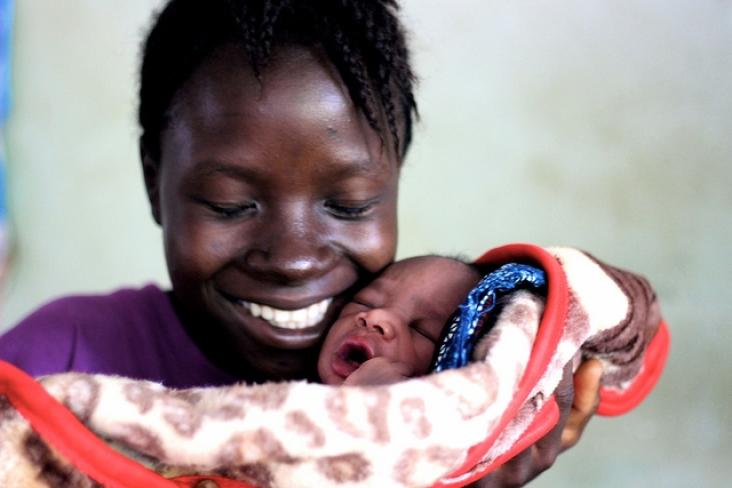
A new Global Investment Framework for Women's and Children's Health demonstrates how investment in women's and children's health will secure high health, social, and economic returns.
Elsevier, The Lancet Global Health, Volume 1, December 2013
This Article supports SDG 3 by showing plausible outcomes associated with exposure to e-waste (end-of-life electrical and electronic waste), including change in thyroid function, changes in cellular expression and function, adverse neonatal outcomes, changes in temperament and behaviour, and decreased lung function.
Elsevier, Journal of Biomolecular Screening, Volume 18, December 2013
This study describes the development and implementation of a high-throughput compound screening assay targeting ER calcium dysregulation as an innovative approach for AD drug discovery.
Elsevier, Social Networks, Volume 35, October 2013
This study uses social network analysis to model a contact network of people who inject drugs (PWID) relevant for investigating the spread of an infectious disease (hepatitis C).
Elsevier, Women and Health (Second Edition), 2013, Pages 1515-1526
Addresses the impact of long-term care on women, outlining the salient issues affecting women who are receiving care and those who are providing informal caregiving, as well as those who are direct care workers in long-term care facilities. Focus is given to the prevalence of physical and mental health conditions among women in the long-term care system and identification of risk factors associated with women’s health and economic well-being.
Elsevier, Women and Health (Second Edition), 2013, Pages 671-683
Summarizes the evidence on how education, work, and marriage influence women’s health. In light of dramatic changes in gender-based inequalities in education, occupational opportunities, and marriage, trends in major indicators of women’s health are discussed in relation to the relevance of social changes for recent and future population patterns in women’s health.